
Psych2Go aborde « masturbate »
Psych2Go vient de mettre cette vidéo à disposition sur YouTube
mettant en avant « masturbate »:
[embedded content]
Au moment de notre découverte, cette vidéo avait un certain écho. Le décompte de Likes indiquait: 13220.
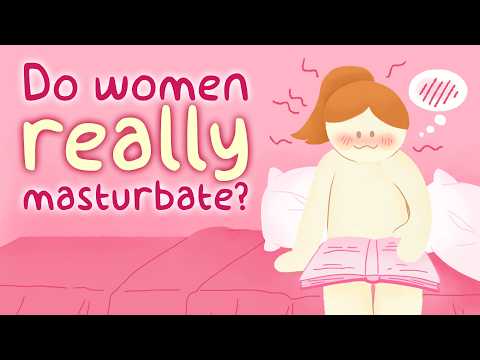
La durée (00:05:50s), le titre (Do Women Really Masturbate? Female Sexuality Taboo) et les informations de l’auteur sont des détails importants à considérer, tout comme la description :« La masturbation féminine est toujours considérée comme taboue, même si c’est une partie naturelle de la découverte de soi. Dans cette vidéo, Psych2Go explore la stigmatisation autour du plaisir de soi féminine et comment la honte, le silence et les croyances obsolètes peuvent déconnecter les femmes de leur corps. Alors que le plaisir masculin est normalisé, de nombreuses femmes grandissent confuses ou coupables de leurs désirs. Cette conversation vise à briser ce silence et à normaliser la sexualité féminine, la santé mentale et l’autonomie. Si vous vous êtes déjà senti jugé pour vous explorer, cette vidéo pourrait vous aider à comprendre que vous n’êtes pas seul. Parlons de ce qui se passe lorsque nous commençons à briser la honte sexuelle – un ensemble. Crédits: scénariste: Kelly Soong Voice Off: @amandasilvera animateur / storyboard: Grace Cárdenas Cano Animator Manager: Cindy Cheong Directeur: Tai Khuong Assistance: Brisky Quach (Tagstotranslate) Femme Masturbation Stigma (T) Femmes Self Pleasure (T) Femme Taboo (T) ».
Que ce soit pour des idées créatives, des réflexions personnelles ou des perspectives sociales, YouTube permet à chacun d’accéder à des vidéos traitant de sujets divers tout en respectant la sécurité et la confidentialité. C’est une plateforme qui favorise la diversité des voix tout en soutenant des discussions respectueuses.
Démystifier la dépendance à la masturbation pour mieux la combattre
Comprendre ce qu’est la masturbation et ses différentes formes
Bien que souvent bénéfique pour diminuer le stress et mieux comprendre son propre corps, la masturbation, lorsqu’elle devient habituelle, peut causer des problèmes importants.
Observer les manifestations d’une dépendance
La dépendance se manifeste par une augmentation de la fréquence de la masturbation et une perte de contrôle, ce qui affecte souvent la qualité des rapports avec un partenaire.
Observer les influences sur le bien-être physique et mental
L’addiction à la masturbation, liée à une surconsommation de pornographie, génère une sollicitation habituelle du système dopaminergique, ce qui peut entraîner des symptômes comme une éjaculation précoce, un épuisement énergétique ou une insatisfaction dans la vie sexuelle.
Évaluer les répercussions positives d’un arrêt réussi
Montrer le processus pour atteindre une satisfaction durable
En diminuant la dépendance, on peut expérimenter des bénéfices durables dans tous les aspects de la vie.
Illustrer le parcours menant à une meilleure stabilité mentale
La cessation de cette habitude conduit généralement à une hausse de l’énergie, à une humeur améliorée et à une concentration renforcée.
Exposer les améliorations dans la communication avec autrui
Les échanges avec un partenaire deviennent plus riches, avec une relation émotionnelle et physique solidifiée.
Observer les facteurs liés à l’essor de cette pratique
Disserter sur les aspects psychologiques et émotionnels
Des émotions comme le stress, l’anxiété ou l’insatisfaction dans d’autres pans de la vie peuvent déclencher cette pratique excessive.
Analyser l’impact de la solitude et du désir
L’isolement et un désir non satisfait dans une relation ou dans la vie personnelle sont des éléments clés dans l’engagement dans cette pratique.
Analyser les conséquences de la pornographie sur les comportements
La pornographie est un facteur déterminant. Elle booste souvent l’envie de se masturber et peut nuire à la compréhension de la sexualité.
Concevoir un programme pour arrêter cette habitude
Établir des mesures pour éviter les rechutes
- Organiser une journée structurée : Remplissez votre emploi du temps avec des activités variées et bien planifiées.
- Créer un emploi du temps bien organisé : Remplissez votre journée de tâches et de loisirs bien définis.
Mettre en évidence l’impact du soutien social sur le bien-être
- Discuter avec un sexologue : Un professionnel peut guider vers des solutions efficaces.notamment ce spécialiste de la chastetéinstallé Paris.
- Rejoindre des groupes de soutien : Partager ses objectifs avec d’autres aide à rester motivé.
Présenter des moyens concrets pour réduire cette habitude
- Détecter les facteurs déclencheurs : Identifiez les situations qui suscitent l’envie.
- Analyser les éléments déclencheurs : Prenez conscience de ce qui crée l’envie.
- Définir des objectifs clairs : Suivez des actions progressives ou intégrez le mouvement « nofap » pour un sevrage complet.
Comprendre la masturbation : un défi pour transformer votre sexualité
Nombreux sont ceux qui trouvent difficile d’arrêter la masturbation, une pratique habituellement perçue comme normale et bénéfique pour la sexualité. Pourtant, quand elle devient instinctive ou addictive, elle peut perturber des aspects importants de la vie, comme le travail, la stabilité émotionnelle ou les interactions sociales.
En conclusion
L’abandon de la masturbation fréquente demande de la patience et de la persévérance. Un plan bien défini et un soutien efficace permettent de surmonter ce défi et de profiter des nombreux bienfaits d’une vie équilibrée et pleine de projets épanouissants.
Ce lien vous permet de voir la vidéo sur YouTube :
le post original: Cliquer ici
#Les #femmes #masturbentelles #vraiment #Tabou #sexualité #féminine
Retranscription des paroles de la vidéo: nah women don’t masturbate but is that true people talk about masturbation all the time but usually it’s about men women not so much and when it’s discussed it’s often treated with discomfort disbelief or silence for years it’s been treated like this weird taboo thing something women aren’t supposed to do but here’s the thing women do masturbate a lot of them and science actually has some really interesting things to say about it but why are we even talking about this because sexual health is mental health understanding your own body builds confidence reduces anxiety and promotes autonomy and that’s something everyone deserves when something is surrounded by stigma people can feel shame about something that’s completely natural and when we don’t understand how something works it can lead to confusion more anxiety or even feelings of guilt so what happens when women do it it’s actually different in some surprising ways what happens in a woman’s brain okay we know orgasms release dopamine and oxytocin for everyone that’s not news but here’s where it gets interesting when a woman orgasms a Rucker University study found that up to 30 areas of the brain light up including the insula the part of the brain that processes full body sensations that might explain why some women describe orgasms as more immersive or even out of body and get this the prefrontal cortex aka the part of your brain that overthinks everything actually shuts down that’s a big deal because it might explain why some women feel more mentally free or lost in the moment for many men brain activity tends to stay a little more stable so while they feel pleasure they don’t always get the same full body mental escape effect contrary to popular belief it’s more like sipping tea than a firework show people often assume that masturbation is always quick and intense but for many women the experience itself is a lot slower and more drawn out not just the orgasm some researchers describe the way women experience arousal as being more like a long stroll in the park gradual rhythmic and building over time rather than a sudden sharp peak this means that for many women masturbation isn’t always about reaching orgasm fast but about the sensations along the way it highlights that female pleasure doesn’t follow a one-sizefits-all script and that’s not a flaw it’s part of the beauty and depth of female sexuality unlike men whose stimulation often follows a straightforward pattern women’s arousal can fluctuate some moments being more intense others feeling more subtle some women even find that focusing too much on reaching orgasm actually makes it harder to get there while others describe masturbation as more about relaxation self-connection or simply unwinding from stress this might also explain why some women are capable of experiencing multiple waves of pleasure or different types of sensations depending on the stimulation and their mood can it actually improve your sex life there’s a common belief that masturbation helps people understand their own bodies but for women this is especially relevant a study found that women who explore their own pleasure tend to report higher levels of sexual satisfaction not because masturbation replaces intimacy but because they have a clearer sense of what works for them this makes sense when you think about it women’s anatomy has been less openly discussed than men’s and a lot of people grow up without much guidance on what’s normal so for many women masturbation isn’t just about pleasure it’s also about getting to know their own body without relying on trial and error with a partner and reclaiming agency over it learning what feels good what doesn’t and where boundaries lie can empower women to navigate intimacy on their own terms can you do it too much while self-pleasure is normal and healthy it’s also important to check in with yourself if it starts interfering with your daily life or emotional well-being it might be a sign to explore what’s behind it not out of shame but from a place of self-care when people talk about excessive masturbation it’s usually in the context of men things like desensitization or compulsive behavior for women there’s less research on negative effects but some studies suggest that frequent orgasm might have an impact on hormones for example some women notice that masturbation close to their period can slightly intensify PMS symptoms possibly due to fluctuations in dopamine and oxytocin levels another factor is sensitivity some women who use external stimulation very often like a vibrator on a high setting might find that they become less responsive to other types of touch for a short time but this usually isn’t permanent just like adjusting to a new routine the body tends to adapt so while there’s no set healthy amount it’s really about paying attention to how your body responds and what feels right for you so does masturbation really have an impact for women the answer is yes but in ways we don’t always talk about it’s not just about pleasure it’s about curiosity self-rust and understanding your own body it’s about breaking old stigmas and recognizing that female sexuality isn’t something to be ashamed of what do you .
Déroulement de la vidéo:
0.4 nah women don’t masturbate but is that
3.52 true people talk about masturbation all
6.0 the time but usually it’s about men
8.24 women not so much and when it’s
10.719 discussed it’s often treated with
12.32 discomfort disbelief or silence for
15.44 years it’s been treated like this weird
17.279 taboo thing something women aren’t
19.359 supposed to do but here’s the thing
21.92 women do masturbate a lot of them and
24.48 science actually has some really
25.92 interesting things to say about it but
28.16 why are we even talking about this
30.64 because sexual health is mental health
33.28 understanding your own body builds
35.44 confidence reduces anxiety and promotes
38.079 autonomy and that’s something everyone
40.36 deserves when something is surrounded by
42.879 stigma people can feel shame about
45.12 something that’s completely natural and
47.039 when we don’t understand how something
48.64 works it can lead to confusion more
50.719 anxiety or even feelings of guilt so
54.0 what happens when women do it it’s
56.719 actually different in some surprising
58.52 ways what happens in a woman’s brain
61.84 okay we know orgasms release dopamine
64.239 and oxytocin for everyone that’s not
66.4 news but here’s where it gets
68.08 interesting when a woman orgasms a
70.72 Rucker University study found that up to
73.2 30 areas of the brain light up including
75.6 the insula the part of the brain that
77.92 processes full body sensations that
80.64 might explain why some women describe
82.24 orgasms as more immersive or even out of
85.04 body and get this the prefrontal cortex
88.159 aka the part of your brain that
89.759 overthinks everything actually shuts
92.92 down that’s a big deal because it might
95.759 explain why some women feel more
97.28 mentally free or lost in the moment for
100.479 many men brain activity tends to stay a
103.28 little more stable so while they feel
105.68 pleasure they don’t always get the same
108.0 full body mental escape effect contrary
111.52 to popular belief it’s more like sipping
114.479 tea than a firework show people often
117.68 assume that masturbation is always quick
120.159 and intense but for many women the
122.399 experience itself is a lot slower and
124.64 more drawn out not just the orgasm some
128.319 researchers describe the way women
130.0 experience arousal as being more like a
132.239 long stroll in the park
134.36 gradual rhythmic and building over time
137.84 rather than a sudden sharp peak this
140.64 means that for many women masturbation
142.64 isn’t always about reaching orgasm fast
145.2 but about the sensations along the way
147.92 it highlights that female pleasure
149.68 doesn’t follow a one-sizefits-all script
152.64 and that’s not a flaw it’s part of the
154.959 beauty and depth of female sexuality
158.08 unlike men whose stimulation often
160.08 follows a straightforward pattern
161.84 women’s arousal can fluctuate some
164.4 moments being more intense others
166.64 feeling more subtle some women even find
169.04 that focusing too much on reaching
170.8 orgasm actually makes it harder to get
172.84 there while others describe masturbation
175.44 as more about relaxation self-connection
178.72 or simply unwinding from stress this
181.92 might also explain why some women are
183.84 capable of experiencing multiple waves
186.0 of pleasure or different types of
187.76 sensations depending on the stimulation
190.0 and their mood can it actually improve
193.519 your sex life there’s a common belief
195.76 that masturbation helps people
197.36 understand their own bodies but for
199.519 women this is especially relevant a
202.48 study found that women who explore their
204.4 own pleasure tend to report higher
206.08 levels of sexual satisfaction not
208.4 because masturbation replaces intimacy
210.799 but because they have a clearer sense of
212.64 what works for them this makes sense
215.12 when you think about it women’s anatomy
217.28 has been less openly discussed than
218.959 men’s and a lot of people grow up
220.799 without much guidance on what’s normal
223.36 so for many women masturbation isn’t
225.68 just about pleasure it’s also about
228.319 getting to know their own body without
230.08 relying on trial and error with a
232.08 partner and reclaiming agency over it
235.2 learning what feels good what doesn’t
237.599 and where boundaries lie can empower
239.84 women to navigate intimacy on their own
242.28 terms can you do it too much while
245.92 self-pleasure is normal and healthy it’s
248.239 also important to check in with yourself
250.56 if it starts interfering with your daily
252.64 life or emotional well-being it might be
255.04 a sign to explore what’s behind it not
257.44 out of shame but from a place of
259.359 self-care when people talk about
261.68 excessive masturbation it’s usually in
264.32 the context of men things like
266.16 desensitization or compulsive behavior
269.04 for women there’s less research on
271.28 negative effects but some studies
273.12 suggest that frequent orgasm might have
275.28 an impact on hormones for example some
278.16 women notice that masturbation close to
280.0 their period can slightly intensify PMS
282.68 symptoms possibly due to fluctuations in
285.52 dopamine and oxytocin levels another
288.0 factor is sensitivity some women who use
290.72 external stimulation very often like a
293.12 vibrator on a high setting might find
295.68 that they become less responsive to
297.44 other types of touch for a short time
300.16 but this usually isn’t permanent just
302.24 like adjusting to a new routine the body
304.24 tends to adapt so while there’s no set
307.68 healthy amount it’s really about paying
309.919 attention to how your body responds and
312.56 what feels right for you so does
315.68 masturbation really have an impact for
317.919 women the answer is yes but in ways we
320.639 don’t always talk about it’s not just
323.039 about pleasure it’s about curiosity
325.8 self-rust and understanding your own
328.24 body it’s about breaking old stigmas and
331.28 recognizing that female sexuality isn’t
333.84 something to be ashamed of what do you
.
Cet article, qui traite du thème “information chasteté”, vous est spécialement suggéré par blog.chaste-t.com. La chronique est reproduite du mieux possible. Dans le cas où vous souhaitez apporter quelques précisions concernant le domaine de “information chasteté” vous pouvez solliciter notre rédaction. La destination de blog.chaste-t.com est de débattre de information chasteté dans la transparence en vous apportant la connaissance de tout ce qui est en lien avec ce sujet sur la toile Connectez-vous sur notre site blog.chaste-t.com et nos réseaux sociaux dans le but d’être informé des futures publications.